


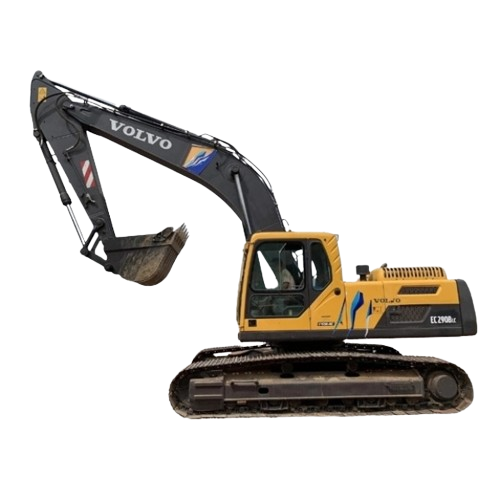
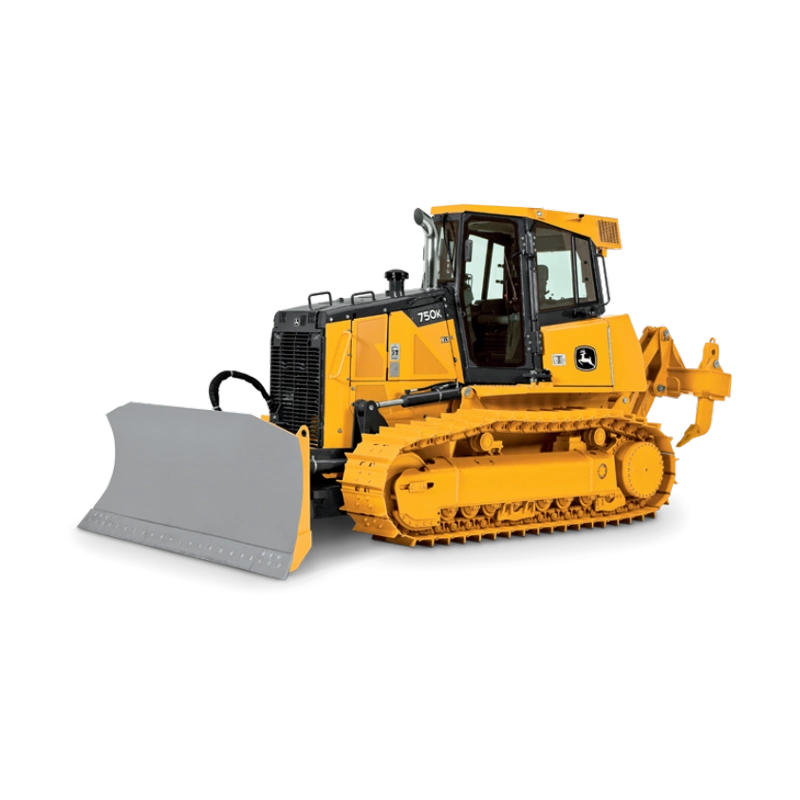
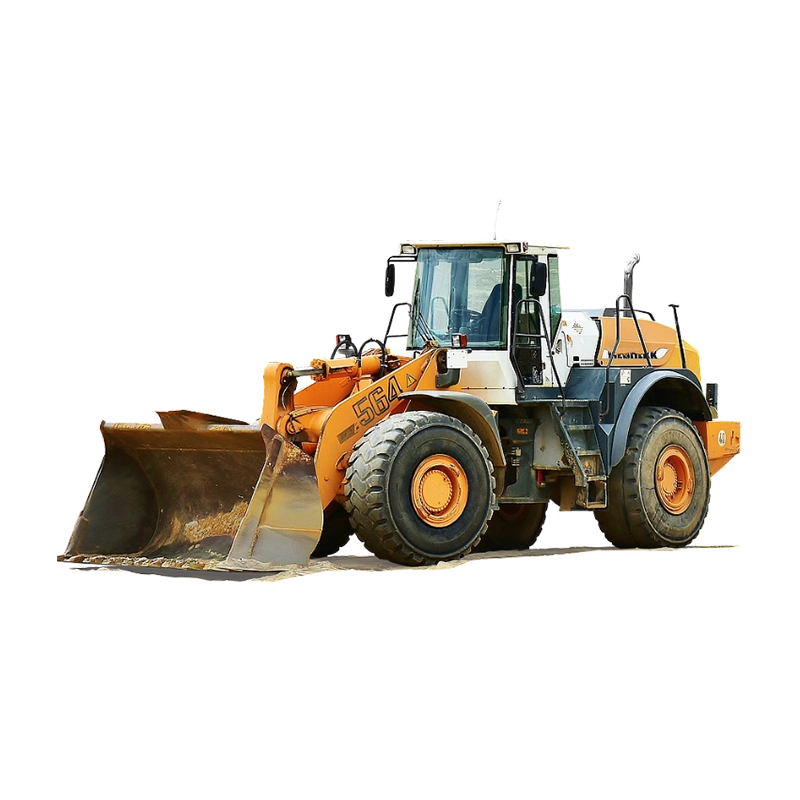
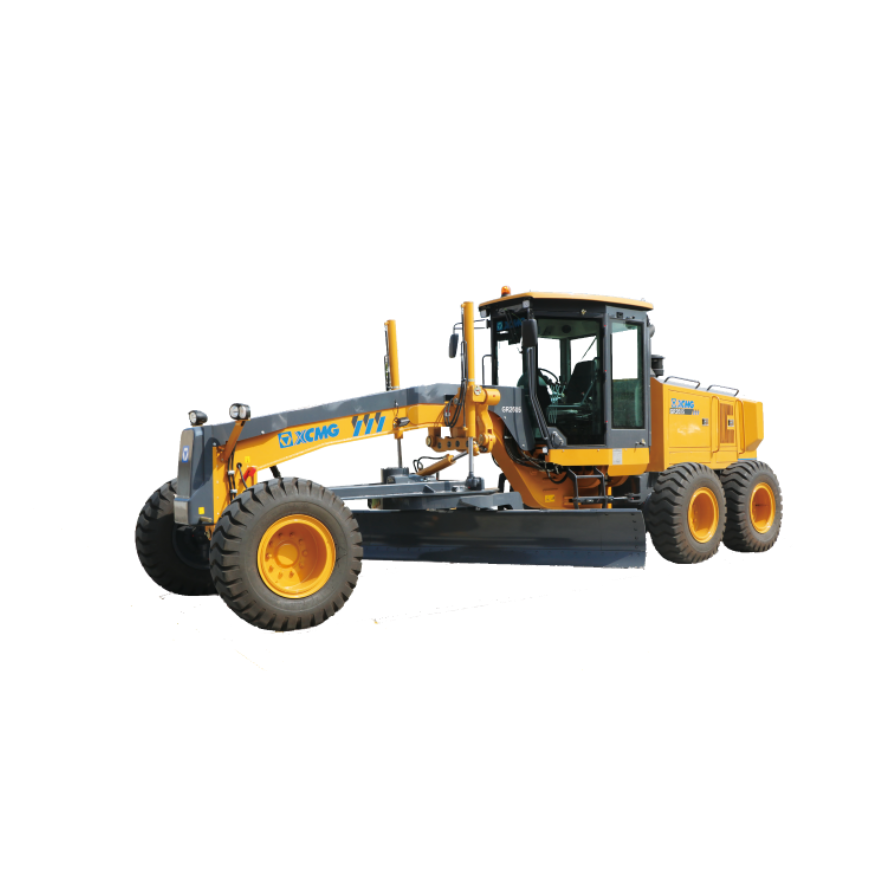
The used Cat D7G crawler tractor has consistently garnered significant interest in the second-hand equipment market, making it particularly well-suited for applications such as earthmoving, site leveling, and auxiliary construction tasks within mining areas. When purchasing this model, one of the primary concerns for many users is whether it can reliably handle prolonged, continuous operation. In reality, this capability depends not only on the inherent durability of the machine model itself but is also closely tied to the condition of the engine, track wear, hydraulic system, and the quality of routine maintenance.
Table of Contents
How Durable is a Used D7G?
The key strengths of a model like the D7G lie in its robust undercarriage and stable power output; when faced with extended dozing tasks, it is unlikely to suffer from significant performance failures or “breakdowns.” Technical data indicates that the D7G demonstrates excellent reliability in material handling under harsh conditions, as well as in terms of routine maintenance requirements, making it highly suitable for high-frequency usage scenarios.
Is It Prone to Overheating During Prolonged Operation?
Whether or not the machine overheats depends critically on the efficiency of its cooling system and the intensity of its usage. If a used machine has previously been subjected to prolonged, high-load operation without adequate cleaning and maintenance, issues such as elevated coolant temperatures or rising hydraulic fluid temperatures may indeed arise. However, provided that the engine, radiator, and hydraulic system are in good working order, the D7G typically maintains a relatively stable operating temperature during continuous work.
Can It Withstand the Rigors of Mining and Earthmoving Environments?
The D7G is best suited for continuous-duty applications such as general earthmoving, site leveling, road grading, and auxiliary dozing within mining zones. Specifications also highlight its strong climbing capabilities and substantial overall weight, which contribute to relatively good stability when navigating uneven terrain.
However, in environments characterized by extremely high-intensity work—such as round-the-clock, full-load operation amidst heavy dust and significant impact forces—the machine’s performance becomes even more dependent on its specific mechanical condition.
What Should You Prioritize When Buying a Used D7G?
Key areas to inspect include checking the engine for abnormal noises, verifying that the transmission shifts smoothly, assessing the tracks and undercarriage for excessive wear, and checking the hydraulic system for any fluid leaks. A used machine’s capacity for continuous work depends not merely on its model designation, but also on its maintenance history—specifically, whether it has undergone major overhauls and if detailed service records are available. Machines with low operating hours and a history of diligent maintenance are often a far better investment for long-term use than cheaper units that are in poor mechanical condition.