


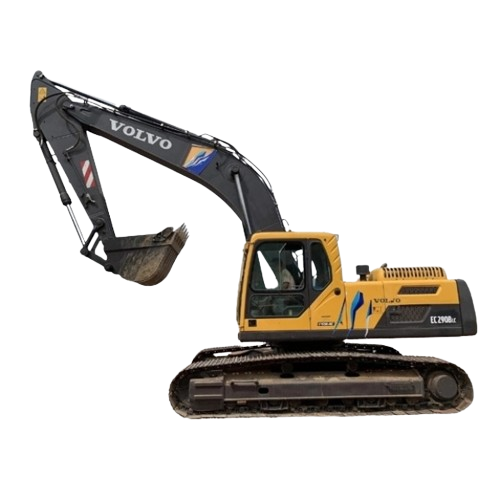

When buying a used Caterpillar 320C excavator, test-running is the most crucial step in assessing the vehicle’s condition. A seemingly clean machine may conceal aging issues in the engine, hydraulic system, or chassis. A scientific and meticulous test-run process can effectively eliminate “hidden problems,” avoiding frequent repairs and downtime losses after purchase.
I. Starting and Idle Speed Check
Before starting, check the engine oil, coolant, and hydraulic fluid levels for normal levels and any obvious leaks. During startup, observe whether the engine ignites successfully on the first attempt, whether the warm-up time is excessively long, and whether the idle speed is stable, without any noticeable vibrations or abnormal noises.
After starting, run the engine at low, medium, and high speeds, observing the exhaust color: prolonged black smoke indicates poor combustion, while blue smoke may indicate oil burning; both require caution. Also, check the dashboard for any warning lights or fault codes.
II. Hydraulic Action and Working Device Testing
Focus on checking the extension and lifting movements of the boom, stick, and bucket for crispness and smoothness, and the stability of the swing mechanism, avoiding any jerking or sudden speed fluctuations.
Perform compound movements (such as “boom extension + swing + bucket retraction”) at different throttle levels to feel the continuity of the overall movement. If you find soft movements, decreased speed, abnormal noises, or obvious hydraulic oil leaks, it may indicate aging of the main pump, main control valve, or cylinder seals, resulting in high maintenance costs later.
III. Chassis and Travel System Inspection
During trial operation, test the travel mechanism on flat roads and gentle slopes: observe whether the tracks, track rollers, and support rollers rotate smoothly, and whether there is obvious uneven wear, slippage, or jamming.
Stop the machine on a slope for a period of time to see if the entire machine slides automatically, checking the reliability of the travel motor brakes; at the same time, listen for any “clicking” noises or vibrations during travel, which are often related to damage to the travel motor, reducer, or chassis structure. Finally, check the smoothness of the rotation of the upper and lower chassis, looking for any noticeable “clicks” or abnormal noises to rule out potential problems with the slewing support and motor.
Through these three meticulous test runs, a relatively accurate assessment of the overall performance and potential issues of a used Caterpillar 320C medium excavator can be made, providing a strong basis for subsequent purchase decisions.
Testing is not simply a matter of “running it briefly”; it requires examining everything from starting, idling, hydraulic operation to the running system. Only by clearly identifying any abnormalities in the engine, hydraulic system, and chassis can you truly confidently put it into operation. It is recommended that a knowledgeable professional accompany you during the test run and record any key issues to provide a reliable basis for subsequent price negotiations and repair decisions.